
On July 7, 2026, Meta introduced Muse Image, the first media-generation model from Meta Superintelligence Labs (MSL) — the group led by Alexandr Wang. Internally codenamed Mango, it's the lab's second major release after the Muse Spark language model debuted in April, and it marks Meta's first fully in-house image generator, built to reduce the company's reliance on third-party models.
Muse Image isn't pitched as just another text-to-image engine. Meta frames it as an agentic model that reasons about your prompt, uses tools, and refines its own work — and it launched already ranking #2 on the LMArena leaderboards for text-to-image and image editing.
What You'll Learn
- What Muse Image is and who built it
- Why "agentic" is the key word — tool use, self-refinement, and inference-time scaling
- The creative features everyday users actually get (editing, @mentions, room redesign, restoration)
- Where it's available across Meta's apps
- How it benchmarks against GPT Image 2 and Nano Banana 2
- What Muse Video means for what's next
What Is Muse Image?
Muse Image is a single model that handles the full range of modern image work: text-to-image generation, image-to-image editing, and instruction-based editing. You can describe a scene in plain, conversational language and get a high-quality result, or upload an existing photo and modify it with natural language, sketches, or handwritten annotations — down to editing only a specific region.
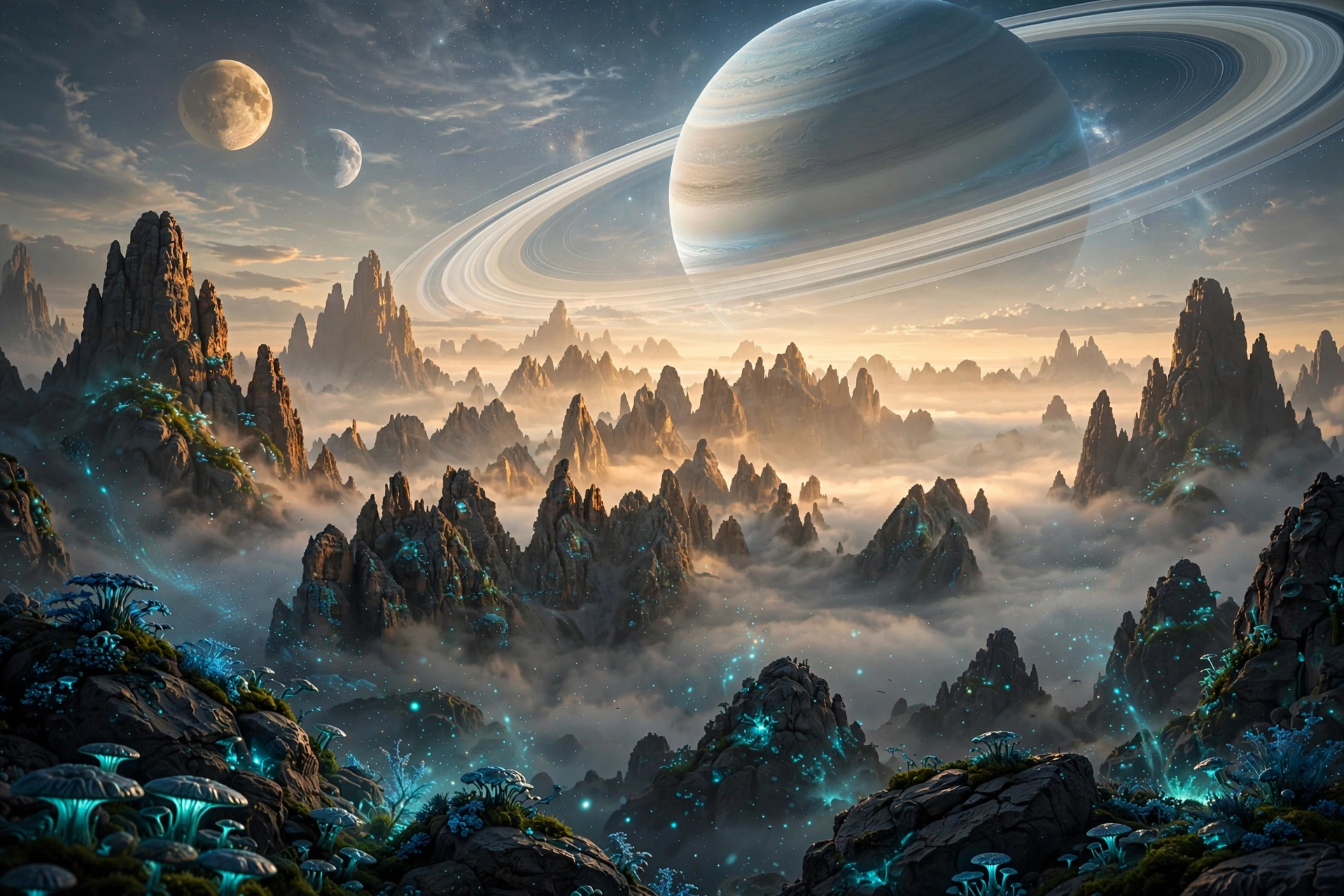
It's built to understand complex, multi-step prompts, interpreting detailed instructions across multiple objects, camera angles, lighting, artistic styles, and spatial relationships. That range shows up in everything from photorealistic interiors to painterly, stylized pieces.
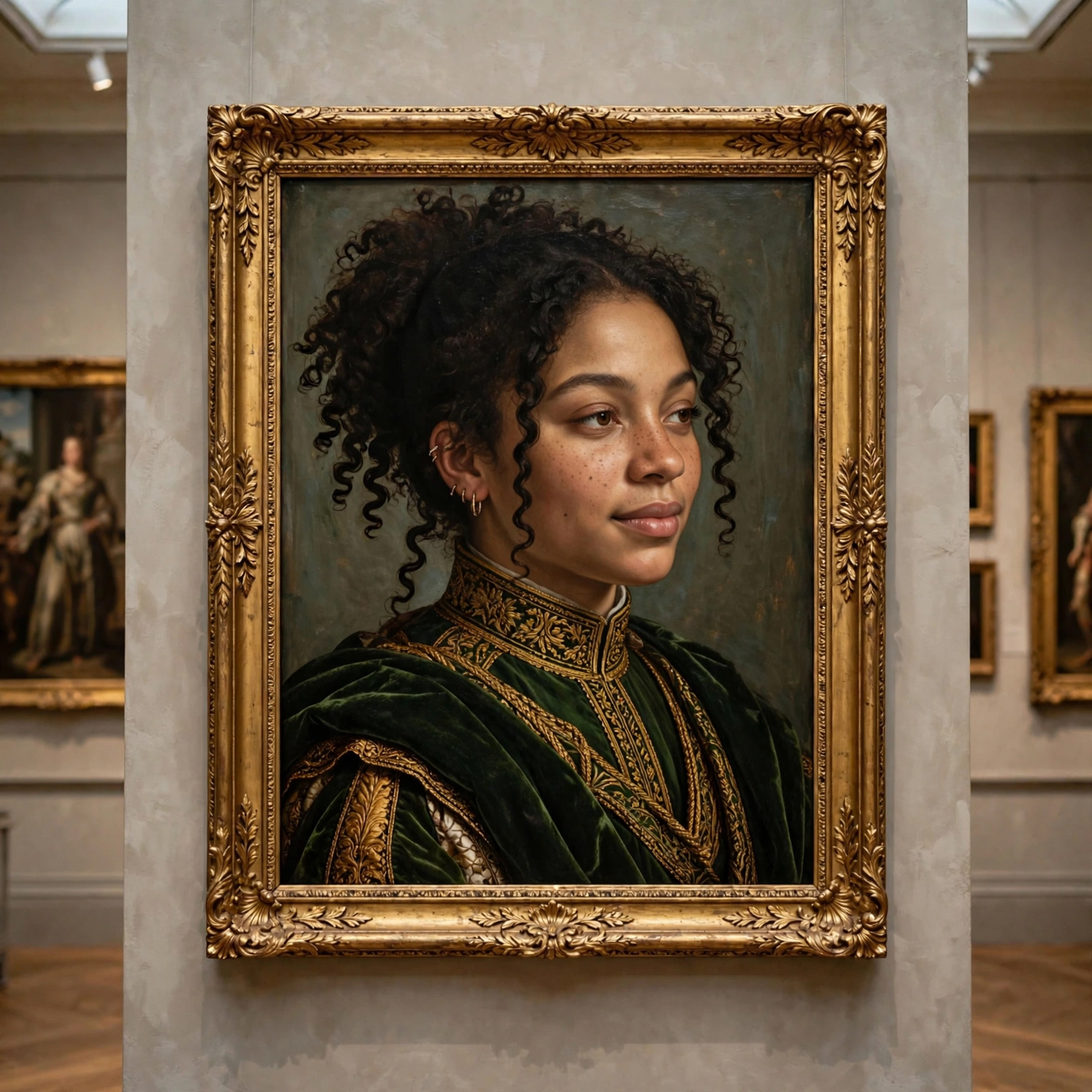
The model also renders legible text inside images — historically one of the hardest things for diffusion models — which is what makes it usable for posters, logos, and marketing layouts rather than just abstract art.

Why "Agentic" Is the Headline
The most distinctive claim about Muse Image is that it doesn't behave like a traditional one-shot diffusion model. Instead, it operates more like an agent:
- It uses tools. Muse Image can execute code to produce accurate plots, charts, and QR codes, and it can run web searches to ground images in real facts — so a generated infographic or diagram is more likely to be correct rather than just plausible-looking.
- It self-refines. Rather than committing to its first output, the model reflects on the result and improves it — either through targeted local edits or a full regeneration — before handing it back.
- It scales with compute. Meta reports a log-linear improvement in quality as you give it more inference-time reasoning and tool use, meaning harder prompts benefit from letting the model "think" longer.
This is a meaningfully different design philosophy from most image models, and it's how Muse Image tackles complex, literal prompts that trip up single-pass generators.

The Creative Features Users Actually Get
Inside the Meta AI app and Meta's other surfaces, Muse Image powers a set of practical, creator-facing tools:
- Presets panel — over 30 suggested prompts to jump-start ideas
- Photo restoration — removes scratches, fixes faded color, and sharpens faces on old photos
- Smart blending — combines multiple reference images (people, objects, clothing, styles, environments) into one cohesive result
- Direct editing — sketch or mark changes directly on an image and let the model apply them
- @Mentions — tag public Instagram profiles so the model can reference their public photos for context
- Room redesign — restyle a space and even source real, purchasable products from retailers

Its multi-reference composition is a particular strength — pulling elements from several inputs while keeping the output coherent — which is what makes the restyling and blending features feel reliable rather than gimmicky.

Every image also carries Content Seal, Meta's invisible watermark for provenance verification. It's designed to survive cropping, compression, and resizing, so a Muse Image output stays identifiable as AI-generated downstream.
Where You Can Use It
Muse Image rolled out on day one across Meta's ecosystem:
- Live now: the Meta AI app, meta.ai, Instagram Stories (US), and WhatsApp (limited countries)
- Powering 30+ new AI effects in Instagram Stories
- Coming soon: Facebook and Messenger
- For advertisers: available through Meta Advantage+ creative
- Pricing: free for everyday use, with subscription plans for high-volume creation
That broad, simultaneous rollout signals Meta wants Muse Image to become the default image engine woven directly into the apps people already use — not a separate destination.
How It Compares: GPT Image 2 and Nano Banana 2
Meta was refreshingly specific about where Muse Image lands:
- On LMArena, Muse Image ranks #2 for text-to-image, #2 for single-image editing, and #2 for multi-image editing (as of July 5, 2026).
- In Meta's internal benchmarks, it trails OpenAI's GPT Image 2 but beats Google's Nano Banana 2 on editing tasks across both single and multiple images.
| Muse Image | GPT Image 2 | Nano Banana 2 | |
|---|---|---|---|
| Maker | Meta Superintelligence Labs | OpenAI | Google DeepMind |
| Arena rank (text-to-image) | #2 | Top-ranked in Meta's tests | Competitive |
| Editing (per Meta's benchmarks) | Beats Nano Banana 2 | Ahead of Muse Image | Behind Muse Image |
| Standout trait | Agentic: tool use + self-refinement | Raw fidelity leader | Speed and broad Google integration |
| Where it lives | Meta AI, Instagram, WhatsApp | ChatGPT, API | Gemini, Google apps, HeyMarmot |
The takeaway: Muse Image isn't claiming to be the single best model on every axis. Its differentiator is the agentic pipeline — tool use, factual grounding, and self-correction — which targets the reliability problems (wrong text, broken charts, incoherent multi-image edits) that pure quality scores don't fully capture.
What's Next: Muse Video
Muse Image is only half of the announcement. Meta also previewed Muse Video, a companion video-generation model coming later. Together they signal MSL's intent to own the full generative-media stack inside Meta's apps — first stills, then motion — and to keep that pipeline in-house rather than licensed from outside.
The Bigger Picture
Muse Image is a statement release. It puts Meta Superintelligence Labs on the image-generation map on day one — top-two on the public leaderboards, wired into the world's largest social apps, and built around an agentic design that most competitors don't share. For the billions of people already inside Instagram, WhatsApp, and Facebook, high-end image creation just became a native, free feature.
For creators who want that same class of capability in a dedicated workspace, Muse Image is currently exclusive to Meta's apps — but comparable frontier image models like Nano Banana 2 and GPT Image are available today in the HeyMarmot workspace, where you can generate and edit images with reference uploads and multiple aspect ratios in one place.